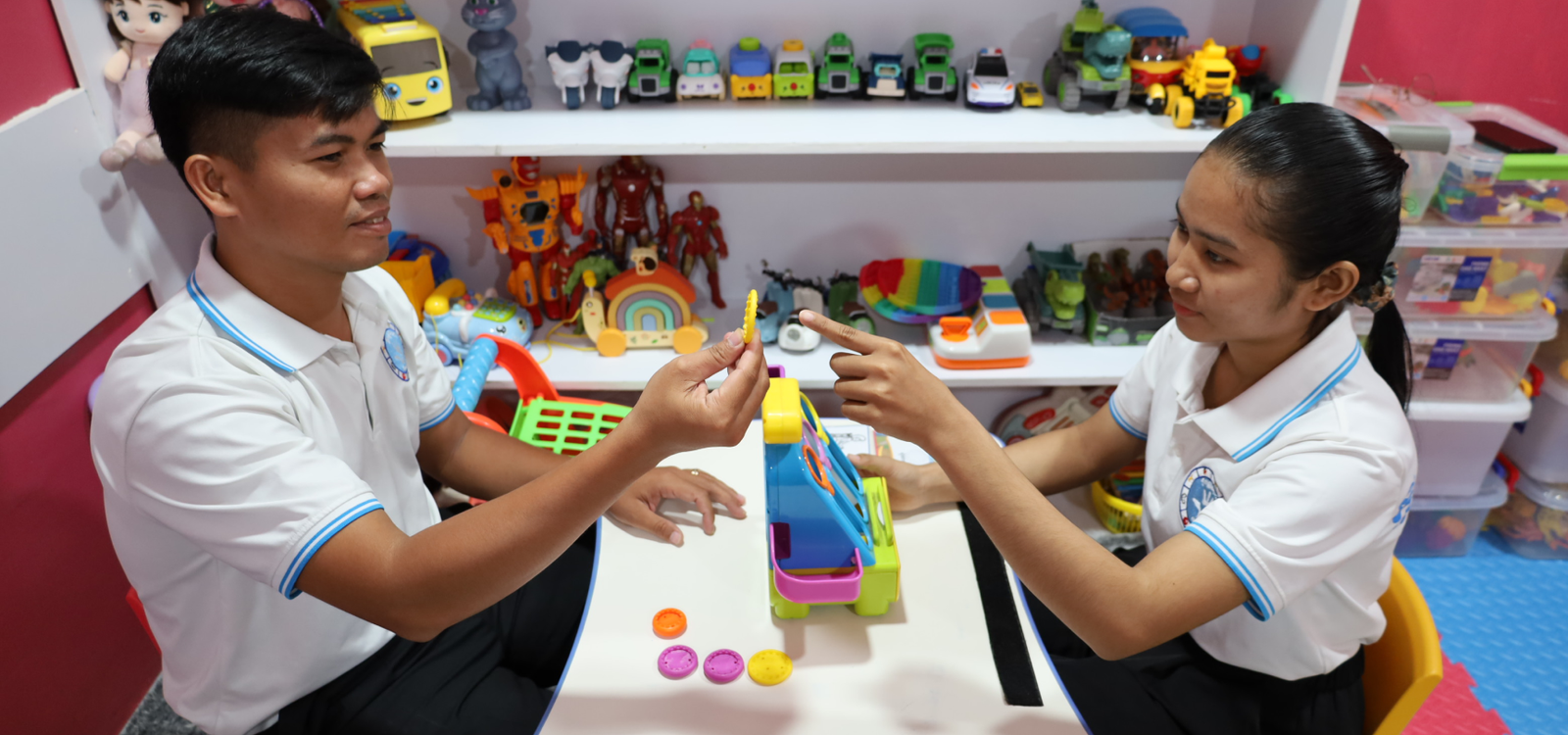
Activities of Daily Living (ADL) Training
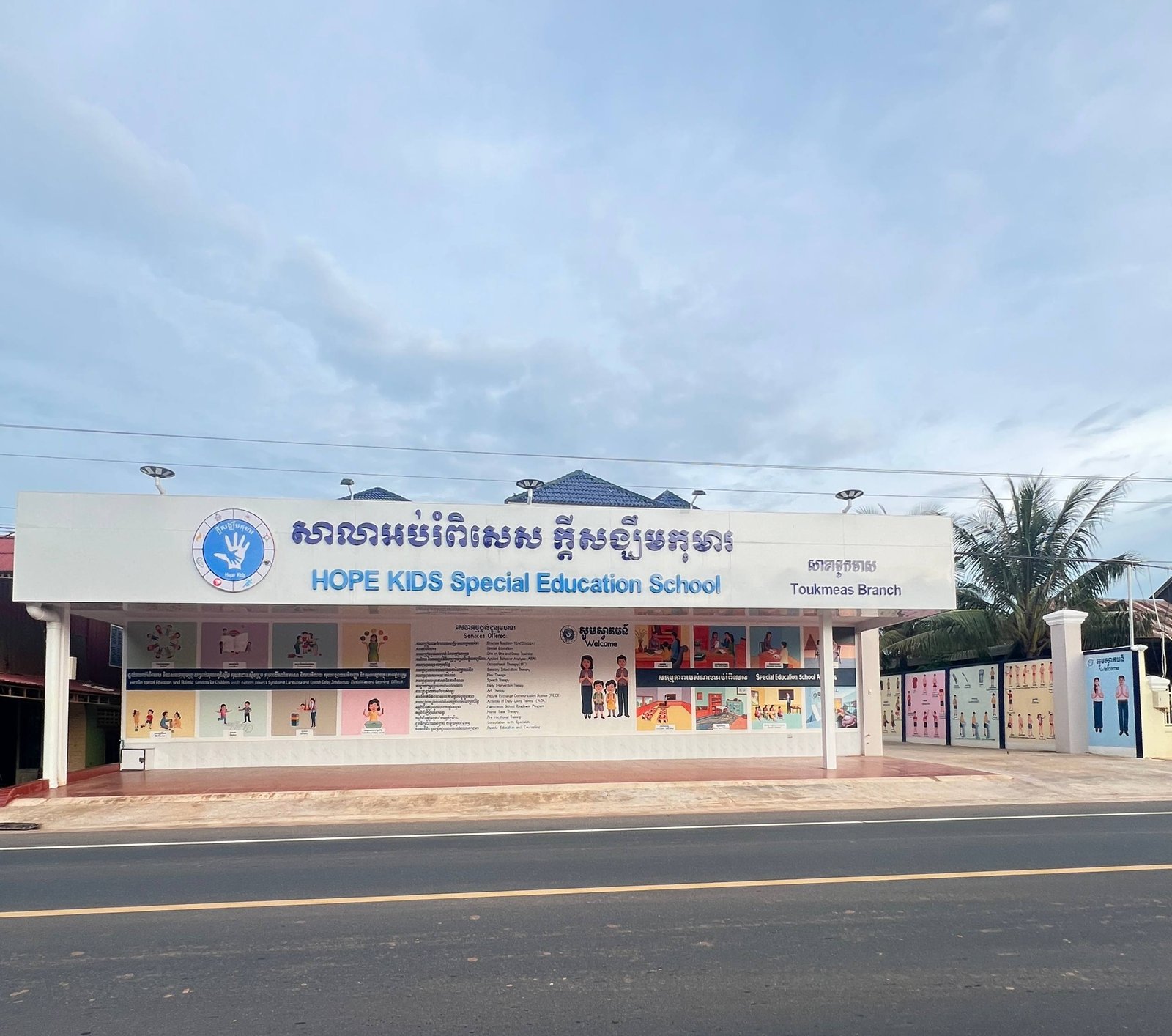
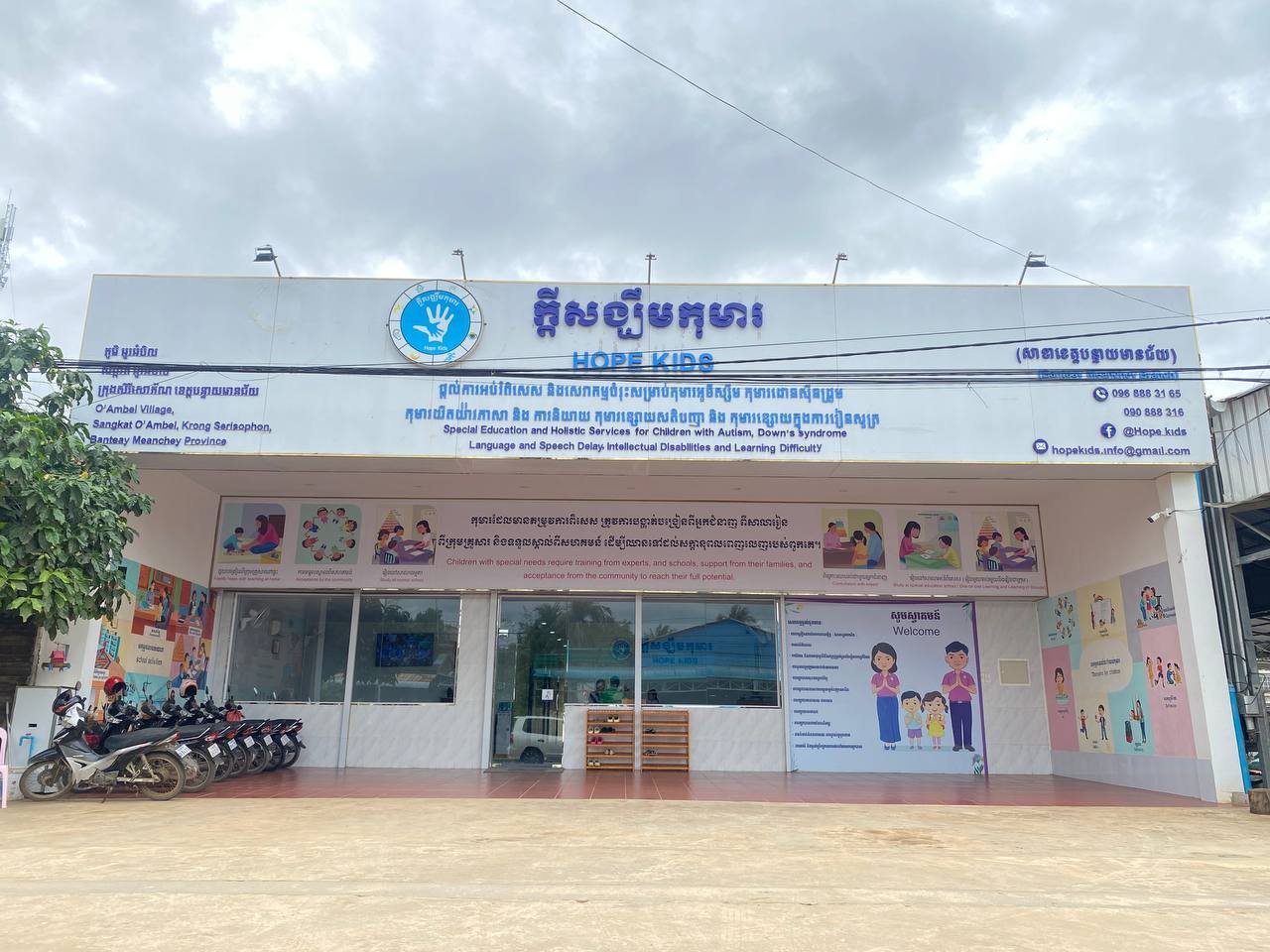
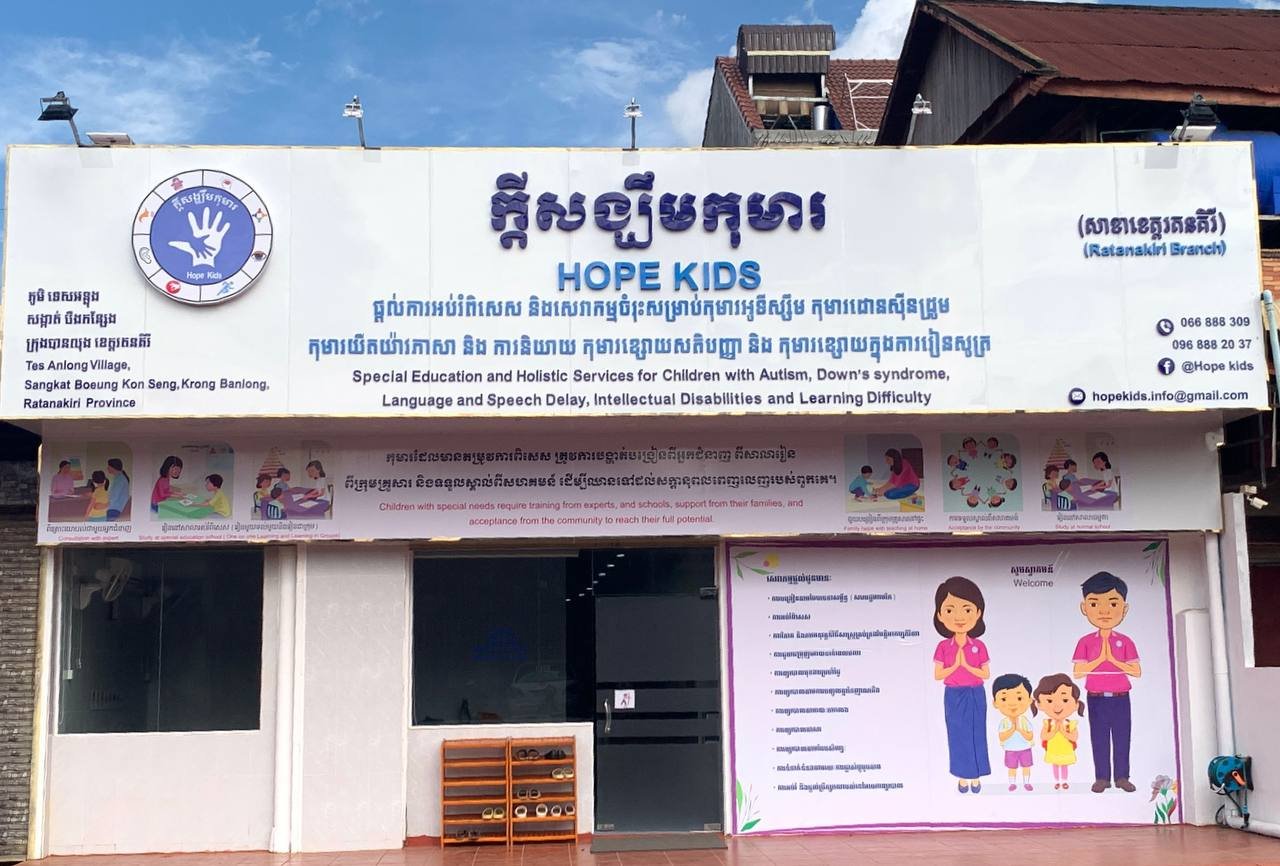
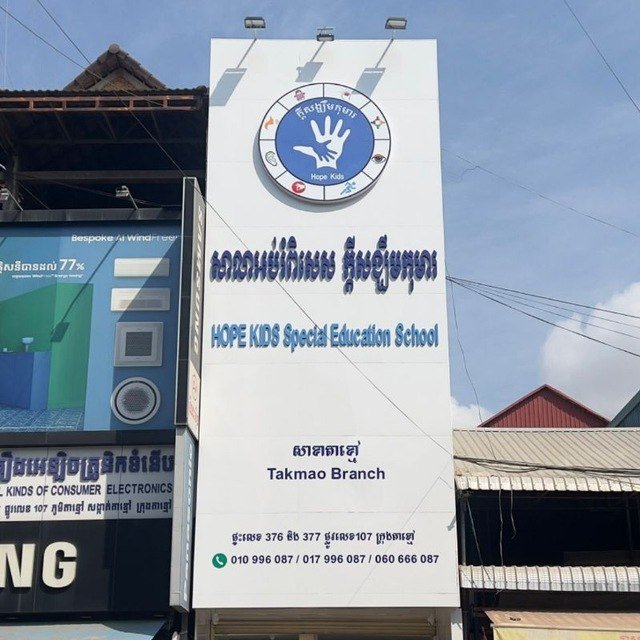
Hope Kids provides affordable, inclusive, and professional education for children with autism and special needs in Phnom Penh and across Cambodia.
Activities of Daily Living (ADL) Training

Building Independence Through Everyday Life Skills
Building Independence Through Everyday Life Skills
What Are Activities of Daily Living (ADLs)?
Activities of Daily Living (ADLs) are the everyday activities people need to manage their personal care and participate in daily life. For children, these may include eating and drinking, dressing and undressing, toileting, bathing, brushing teeth, washing hands, grooming, managing personal belongings, and following daily routines. For children, independence does not necessarily mean doing everything completely without help. It may mean moving from full adult assistance to partial assistance to prompts to greater independence. The level of support should be appropriate to the child's developmental abilities.

Eating and Drinking
Using utensils, drinking from cups, and managing mealtime routines.

Dressing and Grooming
Putting on and removing clothing, managing fasteners, and choosing appropriate clothes.

Toileting
Recognizing the need to use the toilet, following a toileting routine, and managing clothing independently.

Personal Hygiene
Washing hands, brushing teeth, bathing, and managing personal cleanliness.

Managing Belongings
Packing and unpacking school bags, organizing materials, and putting items away.

Following Routines
Understanding and completing daily routines with increasing independence.
ADLs and IADLs: What's the Difference?
Who Can Benefit From ADL Training?
ADL support may benefit children who have Autism Spectrum Condition (ASC), developmental delays, intellectual or developmental disabilities, ADHD or difficulties with organization, motor or coordination difficulties, difficulty learning self-care routines, need additional support with independence, have difficulty following multi-step routines, or need support participating in home, school, or community activities. A child does not need a diagnosis to benefit from support with daily living skills. Any child who is having difficulty developing an age-appropriate skill may benefit from targeted practice and appropriate support.
Autism and Developmental Delays
Children with ASC or developmental delays who need structured support learning daily routines.
Motor and Coordination
Children with motor or coordination difficulties who need support with dressing, eating, or self-care tasks.
Independence Skills
Children who need support developing independence with self-care and daily routines.
Multi-Step Routines
Children who have difficulty following or completing multi-step daily routines.
Home and Community
Children who need support participating in home, school, or community activities.
Age-Appropriate Skills
Any child having difficulty developing an age-appropriate skill may benefit from targeted practice.
Why Are Daily Living Skills Important?
What Skills Can Be Developed Through ADL Training?
ADL training addresses practical, everyday skills that help children become more independent at home, school, and in the community. Skills are taught in meaningful contexts and broken into manageable steps.
Personal Hygiene
Children may learn and practice washing hands, brushing teeth, washing their face, bathing routines, hair care, using tissues, managing personal cleanliness, and recognizing when hygiene routines are needed. The level of support is adjusted according to the child's age and abilities.
Dressing and Grooming
Children may practice putting on clothing, removing clothing, identifying front and back, managing socks and shoes, using zippers, using buttons, managing simple fasteners, choosing appropriate clothing, putting clothing away, and grooming routines. These skills can be broken into smaller steps when necessary.
Eating and Mealtime Skills
ADL support may include age-appropriate skills such as sitting for meals, using utensils, drinking from an appropriate cup, opening simple food containers, requesting food or drinks, cleaning up after meals, following mealtime routines, and participating in simple food preparation. If a child has significant feeding, swallowing, or nutritional difficulties, these should be assessed by the appropriate healthcare professional rather than treated simply as an ADL training issue.
Toileting Skills
Toileting is an important area of independence for many children. Support may include recognizing the need to use the toilet, following a toileting routine, moving to the bathroom, managing clothing, using the toilet appropriately, cleaning themselves, flushing, washing hands afterward, and communicating when assistance is needed. Toileting programs should be individualized and respectful of the child's developmental readiness.
Organization and Daily Routines
Children gradually learn to manage the routines that structure their day. This may include following a visual schedule, preparing for activities, packing a school bag, organizing belongings, putting materials away, following morning and bedtime routines, completing tasks in sequence, transitioning between activities, and checking what needs to happen next. Visual schedules, checklists, photographs, and other visual supports may be particularly helpful for children who have difficulty remembering verbal instructions.
Household Participation
Independence also develops through participating in family life. Age-appropriate activities may include putting toys away, putting clothes in a laundry basket, carrying dishes to the table, wiping a table, helping prepare simple food, sorting belongings, putting school materials away, and helping with simple household routines. The purpose is not to expect children to perform adult responsibilities. It is to give children meaningful opportunities to contribute, practice skills, and experience themselves as capable members of the family.
Community Independence
As children grow, independence extends beyond the home. Age-appropriate community skills may include waiting appropriately, staying with an adult, following safety instructions, communicating with unfamiliar people when appropriate, participating in shopping, carrying personal belongings, following simple community routines, and understanding basic pedestrian and public safety rules. Community independence should always be taught according to the child's age, developmental level, and safety needs.
What Does Progress in ADL Training Look Like?
Before:
ADL Training for Children With Autism Spectrum Condition
How Hope Kids Delivers ADL Training
Our ADL Training Program uses a structured, individualized approach to help children build practical independence skills through meaningful everyday routines.
Individual Assessment
We begin by looking at what the child can currently do. We consider current independence, developmental level, motor abilities, communication, attention, sensory needs, ability to follow routines, family priorities, and environmental factors. This helps identify which skills are most meaningful to work on.
Functional Goal Setting
ADL goals should be functional and meaningful. Rather than simply setting a goal such as "Improve independence," we might work toward something more specific, such as "Child will complete the morning hand-washing routine with no more than one verbal prompt." Specific goals make it easier to recognize progress and determine whether the teaching approach needs to change.
Task Analysis
Many daily activities involve multiple steps. A therapist or educator can break a task into smaller components. For example, washing hands can be broken down into: turn on water, wet hands, apply soap, rub hands, rinse, turn off water, dry hands. The child can then practice the individual steps and gradually complete more of the sequence independently.
Step-by-Step Teaching
Children may initially need substantial support. Depending on the task, support might include demonstration, verbal instructions, visual instructions, gestures, modeling, physical assistance when appropriate, prompting, and gradual reduction of prompts. The goal is to fade unnecessary support over time, rather than creating dependence on adult prompting.
Visual Supports
Visual supports can make routines easier to understand. For example, a child may use a visual sequence showing: toilet, clothes, flush, wash hands, dry hands. Visual schedules, picture sequences, checklists, and visual reminders can help children understand what happens next and increase independence.
Practice in Meaningful Contexts
Daily living skills are most useful when children can use them in real routines. Where appropriate, children practice skills in contexts that resemble everyday life rather than only practicing isolated movements. For example, instead of repeatedly practicing putting a spoon into a bowl, the child may practice using a spoon during an actual mealtime.
Family Collaboration
Parents and caregivers are essential partners in developing independence. Families can be supported to use consistent strategies at home, including clear routines, visual supports, consistent prompts, opportunities for choice, appropriate expectations, and gradual reduction of assistance. Consistency across environments can help children understand that a skill is useful beyond the therapy setting.
Progress Monitoring
Progress is reviewed over time. We may consider how much assistance the child needs, number of steps completed independently, frequency of prompts, consistency across days, ability to use the skill in different environments, ability to generalize the skill to different people or situations, and goals can then be adjusted as the child's independence develops.
ADL Training and Occupational Therapy
Benefits of ADL Training
ADL training provides children with structured opportunities to develop practical independence skills that they can use in everyday life.
Greater Independence
Children can gradually learn to complete more everyday tasks with less adult assistance.
Increased Confidence
Successfully completing a task can help children develop a greater sense of competence and confidence.
Improved Participation
Independence in self-care and routines can make it easier for children to participate at home, school, and in the community.
Reduced Caregiver Assistance
As children develop skills, caregivers may need to provide less hands-on assistance for certain age-appropriate activities.
Stronger Routine Skills
Children learn how to understand, follow, and eventually manage familiar routines.
Preparation for Future Independence
The skills learned during childhood can provide foundations for increasingly complex independence as children grow.
Why Choose Hope Kids?
Individualized Goals
We select ADL goals according to the child's developmental level, current abilities, and family priorities.
Functional Skill Development
We focus on skills that have a meaningful purpose in the child's everyday life.
Step-by-Step Teaching
Complex tasks are broken into manageable steps so children can experience success while gradually developing independence.
Multidisciplinary Support
ADL development can be supported alongside Occupational Therapy, Speech and Language Therapy, Special Education, ABA, Structured Teaching, and other services when appropriate.
Family Partnership
Parents and caregivers receive practical strategies for continuing skill development during everyday routines.
Focus on Independence
The goal is not for a child to perform every task perfectly. The goal is to help the child become more capable, more confident, and more independent over time.
Frequently Asked Questions About ADL Training
Contact Hope Kids
If your child needs additional support developing self-care, daily routines, independence, or functional life skills, Hope Kids can help identify meaningful goals and develop an individualized plan. Our Activities of Daily Living (ADL) Training Program in Phnom Penh, Cambodia focuses on practical skills that children can use in real life, helping them participate more independently at home, school, and in their community. Independence is built one everyday skill at a time.
Contact UsContact Hope Kids
If your child needs additional support developing self-care, daily routines, independence, or functional life skills, Hope Kids can help identify meaningful goals and develop an individualized plan.