
Picture Exchange Communication System (PECS)
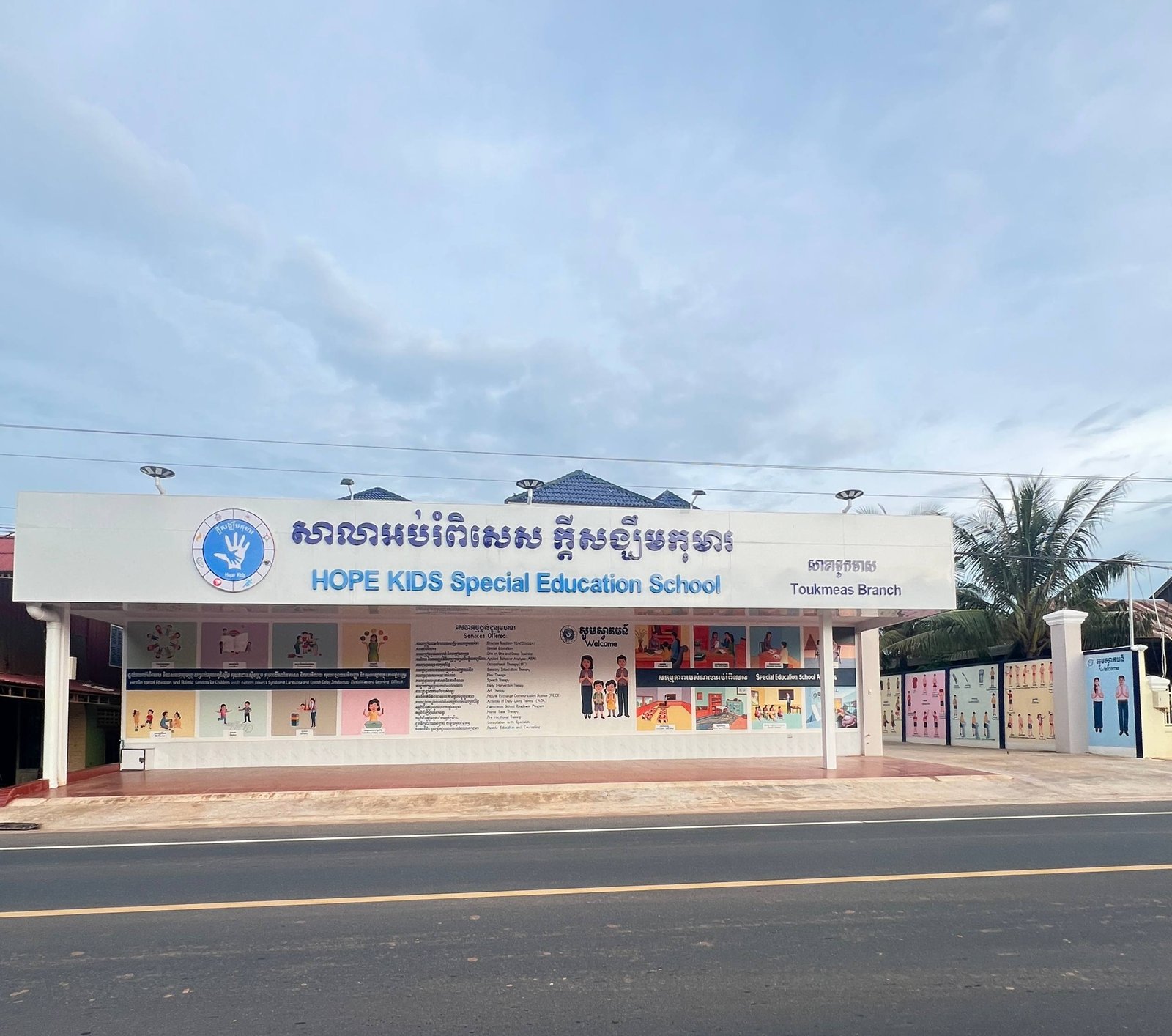
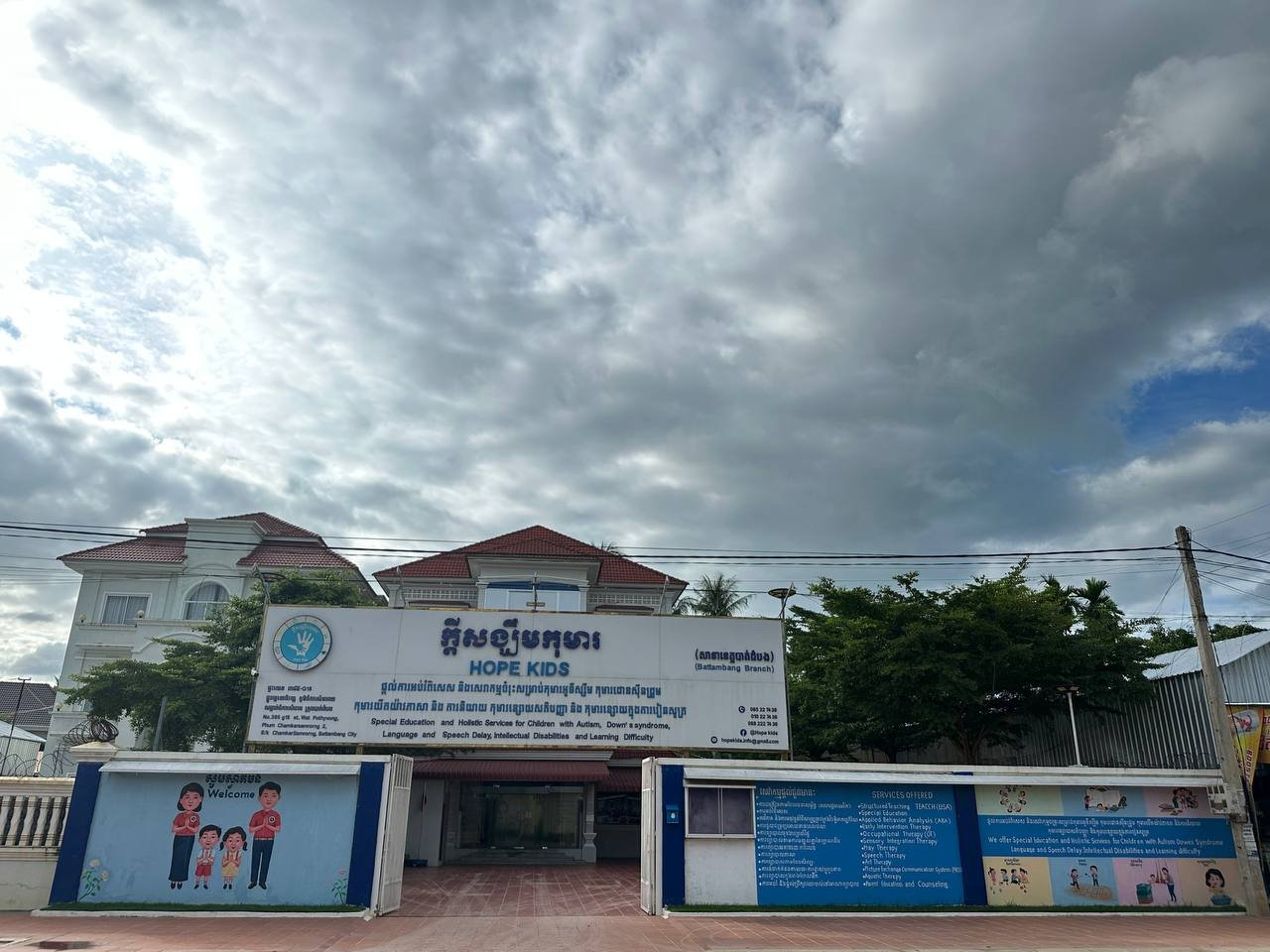
Hope Kids provides affordable, inclusive, and professional education for children with autism and special needs in Phnom Penh and across Cambodia.
Picture Exchange Communication System (PECS)
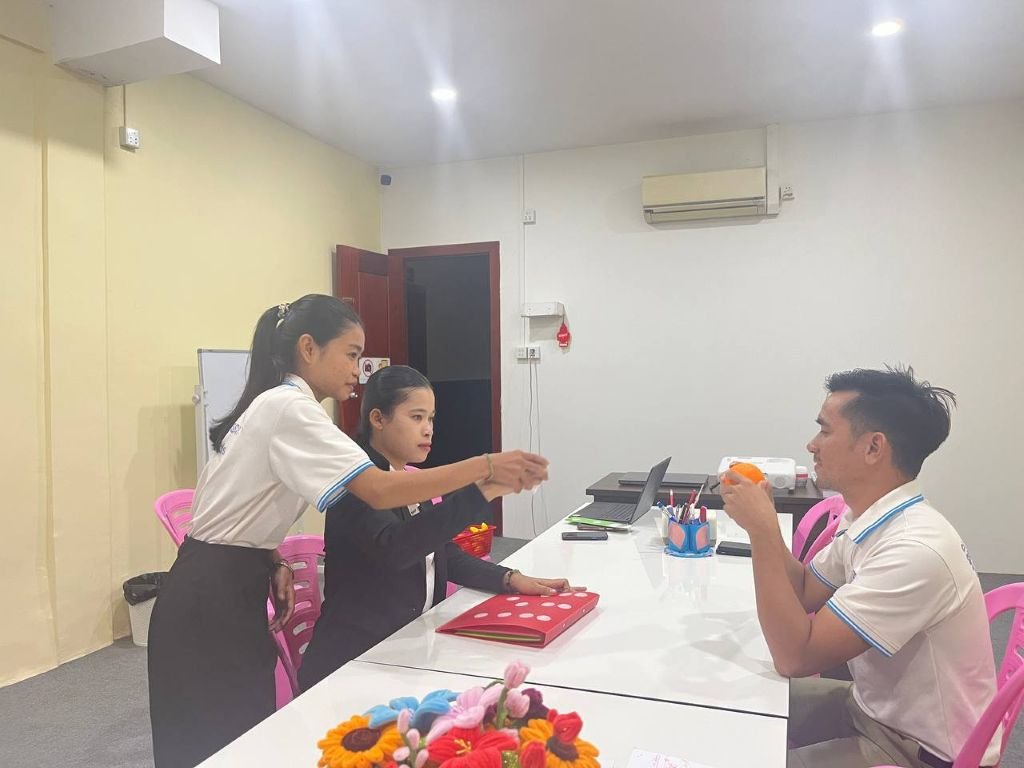
Empowering Children to Communicate Through Visual Communication
The goal of PECS is to help children initiate communication, express their needs, make choices, and interact more effectively with others.
What Is PECS?
PECS (Picture Exchange Communication System) is an augmentative and alternative communication (AAC) method that teaches children to communicate using pictures instead of relying solely on spoken language.
Children learn to:

Request desired items or activities

Make choices

Express wants and needs

Answer questions

Build social communication skills

Develop language and communication abilities
PECS encourages children to initiate communication independently rather than waiting for prompts from others.
Benefits of PECS
Encourages Functional Communication
Children learn practical communication skills that can be used in everyday situations.
Promotes Independent Communication
PECS teaches children to initiate communication without relying on constant adult prompts.
Reduces Frustration
Children can express their needs more effectively, reducing communication-related stress and behavioral challenges.
Supports Language Development
Many children begin developing spoken language alongside PECS training.
Improves Social Interaction
Children learn to communicate with parents, teachers, therapists, and peers more successfully.
Increases Confidence
Being able to communicate effectively helps children feel more confident and engaged.
Who Can Benefit from PECS?
PECS may benefit children who:
Have Autism Spectrum Disorder (ASD)
Are non-verbal or minimally verbal
Have speech and language delays
Experience communication difficulties
Have developmental delays
Struggle to express needs and wants
Require alternative communication methods
How Hope Kids Delivers PECS Training
Communication Assessment
Our specialists evaluate the child's communication abilities, strengths, and developmental needs.
Individualized Communication Plan
Each child receives a customized PECS program tailored to their communication goals.
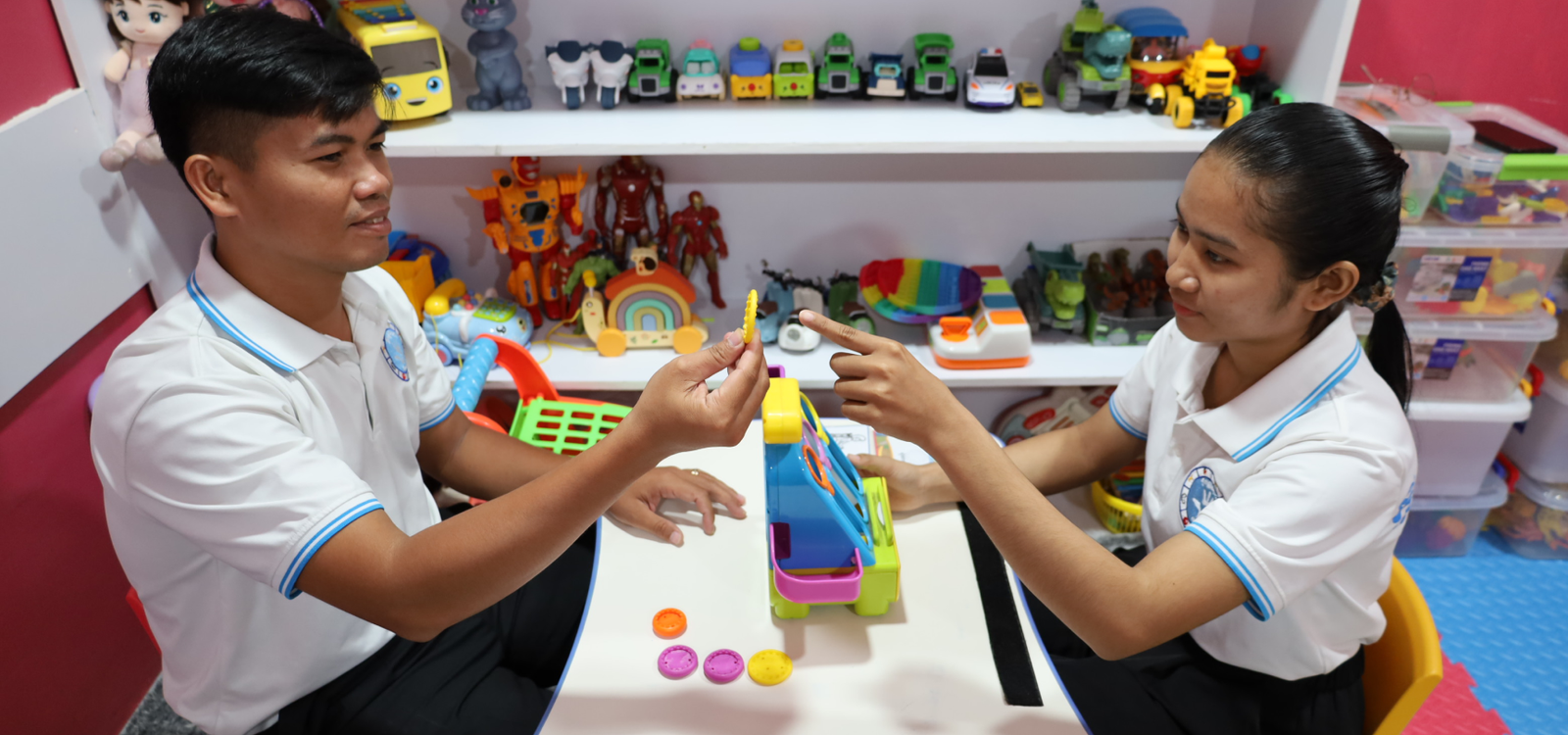
Structured Teaching Sessions
Children are taught using a step-by-step approach that gradually builds communication skills.
Visual Communication Materials
Picture cards and communication tools are used to help children communicate effectively.
Family Involvement
Parents and caregivers receive guidance on using PECS consistently at home and in daily routines.
Ongoing Progress Monitoring
Communication goals are regularly reviewed and updated as the child develops new skills.
Why Is Communication Important?
Communication is essential for:
Expressing needs and feelings
Building relationships
Participating in learning activities
Developing independence
Reducing frustration and challenging behaviors
When children are unable to communicate effectively, they may experience difficulties at home, school, and in social situations. PECS helps bridge this communication gap.
Why Choose Hope Kids?
Experienced Communication Specialists
Our team has experience supporting children with a wide range of communication needs.
Individualized Approach
Every PECS program is tailored to the child's unique abilities and goals.
Family-Centered Support
Parents are actively involved in supporting communication development.
Evidence-Based Practices
PECS is a well-established communication system supported by research and clinical practice.
Focus on Meaningful Communication
We help children develop communication skills that improve daily life, learning, and social participation.
The Six Phases of PECS
Phase 1: How to Communicate
Children learn to exchange a picture for a desired item or activity.
Phase 2: Distance and Persistence
Children learn to seek out communication partners and communicate across different environments.
Phase 3: Picture Discrimination
Children learn to choose between different pictures to communicate specific requests.
Phase 4: Sentence Structure
Children learn to build simple picture-based sentences.
Phase 5: Answering Questions
Children learn to answer questions such as "What do you want?"
Phase 6: Commenting and Conversation
Children learn to comment, describe, and participate in more advanced communication interactions.
Skills Developed Through PECS
Communication Skills
- Requesting
- Choice making
- Expressive communication
- Social communication
Social Skills
- Interaction with others
- Joint attention
- Turn-taking
- Engagement
Language Development
- Vocabulary building
- Understanding language concepts
- Sentence formation
Independence
- Self-advocacy
- Expressing needs
- Participating in daily activities
Frequently Asked Questions
Contact Hope Kids
If your child has difficulty communicating, Hope Kids can help. Contact us today to learn more about our Picture Exchange Communication System (PECS) Program and discover how visual communication can support your child's development, independence, and confidence.