

Autism Spectrum Condition (ASC) is a neurodevelopmental condition that can affect how a person communicates, interacts with others, experiences their environment, learns and develops.
Autism is called a spectrum because autistic people can have very different strengths, challenges and support needs.
There is no single way that autism looks.
One child may speak fluently but struggle with social communication.
Another may communicate mostly through gestures, pictures or AAC.
One child may need significant support with daily living.
Another may be relatively independent but need support with flexibility, sensory differences or social situations.
Understanding the individual child is therefore more useful than trying to fit them into a single picture of autism.
What Are the Main Characteristics of Autism?
Autism is generally characterized by differences in two broad areas:
- Social communication and interaction
- Restricted or repetitive patterns of behavior, interests or activities
These characteristics can appear in different ways and at different levels of intensity.
The American Academy of Pediatrics describes autism as a neurodevelopmental condition involving differences in social communication and interaction alongside restricted or repetitive patterns of behavior or interests.
Social Communication Differences
A child may experience differences in:
- Using and understanding gestures
- Sharing attention
- Starting interactions
- Responding to others
- Taking turns
- Understanding social cues
- Using language socially
- Developing relationships
- Understanding another person's perspective
Not every autistic child has the same communication profile.
Some children speak early and use complex sentences.
Some children develop speech later.
Some use very little spoken language.
Some use AAC.
Repetitive Behaviors and Interests
A child may:
- Repeat movements
- Repeat words or phrases
- Prefer predictable routines
- Become distressed by unexpected changes
- Develop strong interests
- Play with objects in repetitive ways
- Focus intensely on particular topics
- Prefer certain patterns or sequences
These behaviors should not automatically be viewed as “bad behavior.”
It is important to understand what the behavior means for that individual child.
Sensory Differences
Many autistic children also experience differences in how they respond to sensory information.
For example, a child may be particularly sensitive to:
- Loud sounds
- Bright lights
- Certain textures
- Clothing
- Smells
- Crowded environments
Another child may actively seek certain sensory experiences.
Sensory differences can affect participation in everyday activities, including school, play, eating, dressing and community activities.
Why Is Autism Called a Spectrum?
The word spectrum does not simply mean “mild to severe.”
It reflects the fact that different characteristics can occur in different combinations.
For example:
| Child | Communication | Sensory | Independence |
| A | Fluent speech | High sensitivity | Mostly independent |
| B | Limited speech | Sensory seeking | Needs daily support |
| C | AAC user | Few sensory difficulties | Developing independence |
| D | Fluent speech | Significant sensory differences | Needs social support |
All four children may be autistic, but their support needs are different.
Does Autism Mean a Child Has an Intellectual Disability?
No.
Autism and intellectual disability are different conditions, although they can occur together.
Some autistic children have intellectual disability.
Others have average or above-average intellectual abilities.
A child's speech ability also does not tell us how intelligent they are.
How Is Autism Identified?
Autism assessment involves looking at a child's developmental history and current characteristics.
Depending on the child's age and circumstances, assessment may involve:
- Developmental history
- Parent interviews
- Observation
- Communication assessment
- Cognitive or developmental assessment
- Adaptive skills
- Social communication
- Behavior patterns
- Medical or developmental evaluation
Screening can identify children who may need further evaluation, but screening is not the same as diagnosis.
The AAP recommends ongoing developmental surveillance and autism screening at 18 and 24 months in primary care.
What Should Parents Do If They Suspect Autism?
You do not need to wait until you are completely certain.
Start by documenting what you are noticing.
For example:
- What communication skills does my child have?
- What situations are difficult?
- What happens before a meltdown?
- How does my child communicate needs?
- How does my child play?
- What sensory experiences are difficult?
- What daily living skills are emerging?
- What does my child do particularly well?
Then seek an appropriate developmental assessment.
Does Autism Need to Be “Cured”?
Autism is not something that should be framed simply as an illness to be cured.
Support should focus on helping the child communicate, participate, learn, build relationships, develop independence and experience a good quality of life.
The AAP describes intervention goals in terms of functional independence, adaptive skills, social communication and reducing behaviors that interfere with function.
What Support Might Help?
Depending on the child, support may include:
- Speech and language therapy
- AAC
- Occupational therapy
- Physiotherapy
- Special education
- Structured teaching
- Behavioral support
- Parent coaching
- Social communication support
- School readiness support
- Daily living skills training
Not every autistic child needs every service.
How Hope Kids Can Help
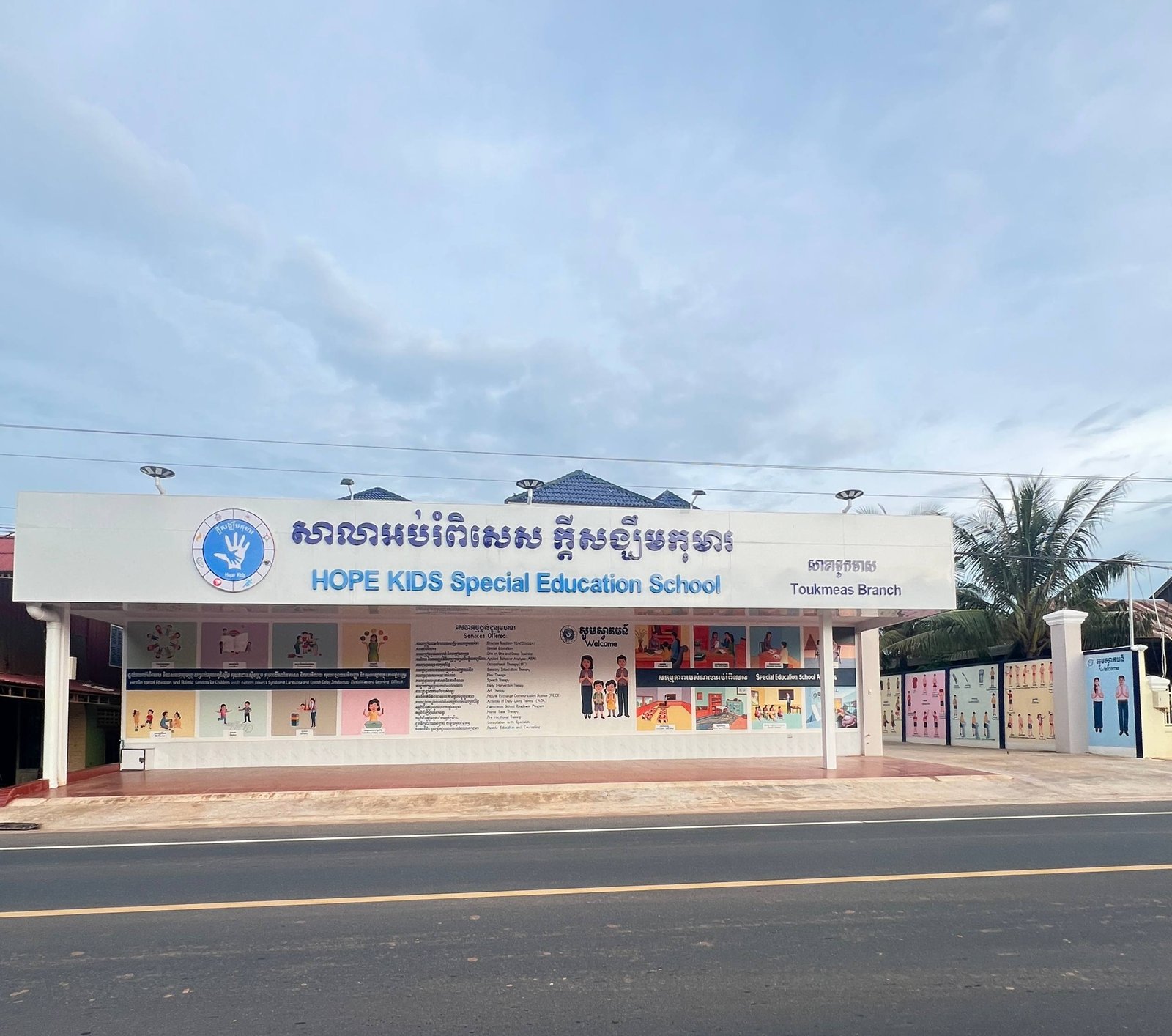
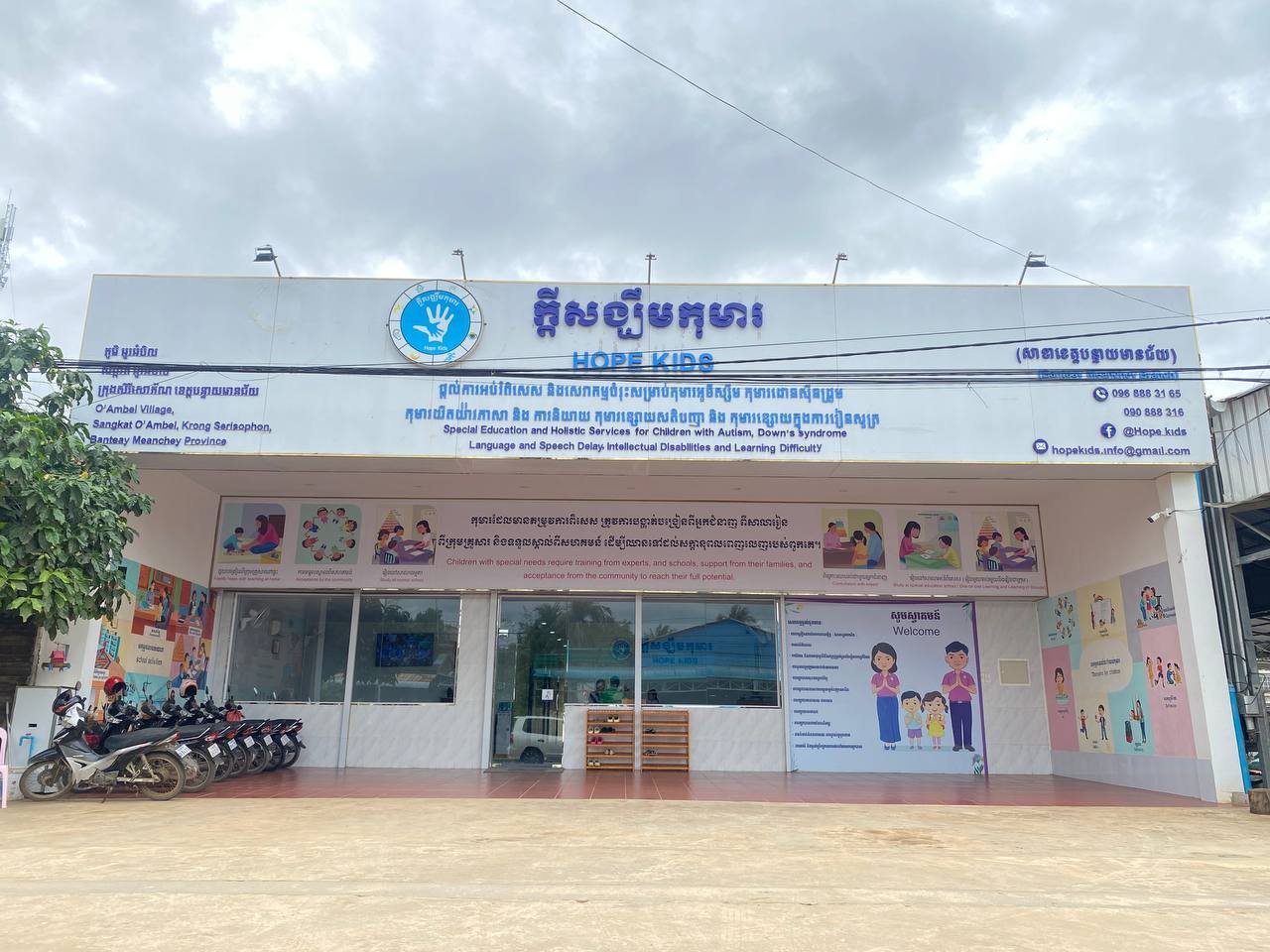
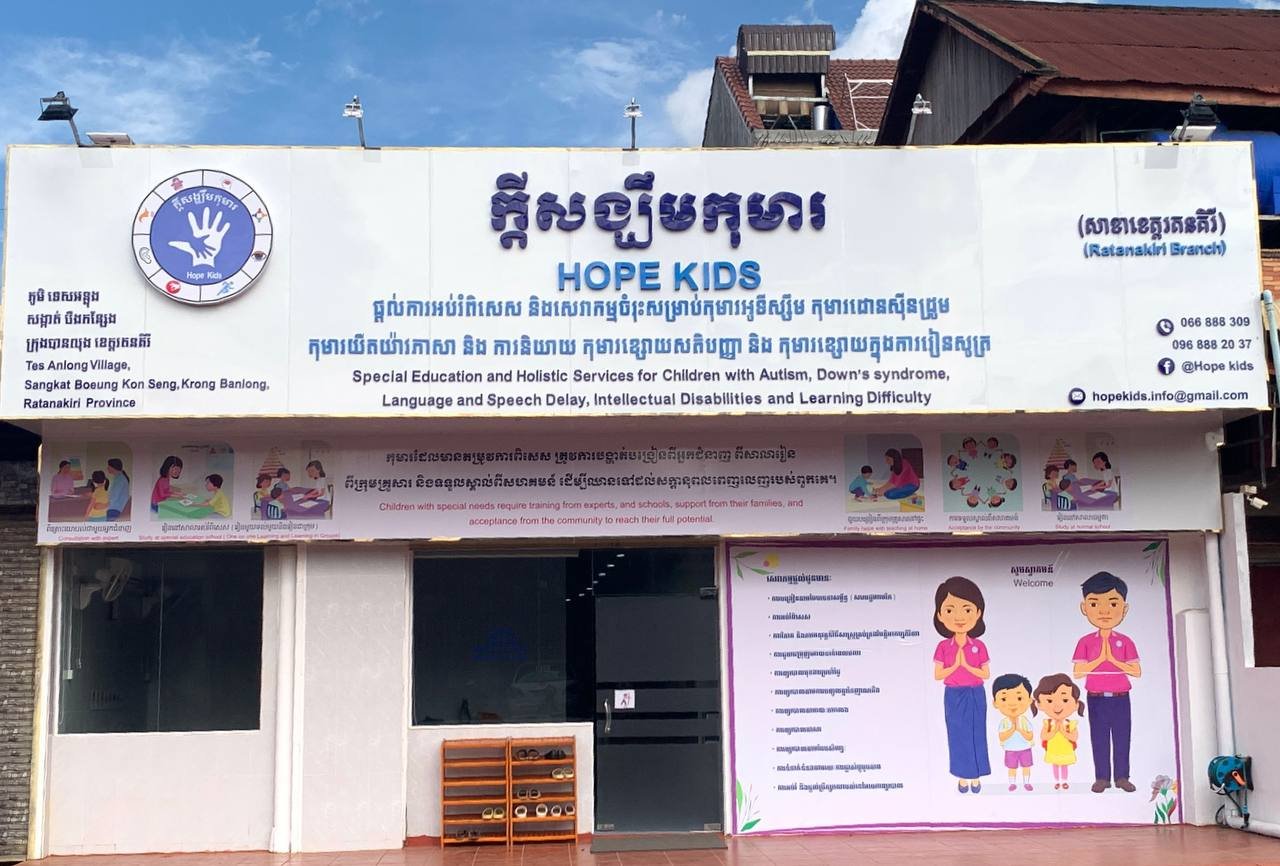
Hope Kids supports children with Autism Spectrum Condition through individualized educational and therapeutic programs.
Depending on the child's needs, this may include special education, speech and language therapy, occupational therapy, behavioral support, structured teaching, sensory-focused occupational therapy, AAC, school readiness and parent education.
The aim is to understand the individual child rather than applying a single program to every child.
Frequently Asked Questions
Can autistic children talk?
Yes. Autistic children may be nonspeaking, use a small amount of speech, or speak fluently.
Can a child be autistic and have good eye contact?
Yes. No single behavior determines whether a child is autistic.
Can autism be diagnosed in a young child?
Yes. Autism can be identified in early childhood, although the assessment process varies by age and individual circumstances.
Does autism always involve developmental delay?
No. Developmental profiles vary considerably.
Does autism look different in girls?
It can. Differences in presentation can sometimes make autism less obvious, and some autistic girls may mask or compensate for difficulties.
Can autistic children learn new skills?
Absolutely. Children can learn and develop throughout childhood. Appropriate support can help build communication, adaptive skills, learning and independence.