

Parents often use the words speech and language interchangeably.
They are related, but they are not the same thing.
Understanding the difference can make it easier to understand what your child may be struggling with and what kind of support could help.
What Is Speech?
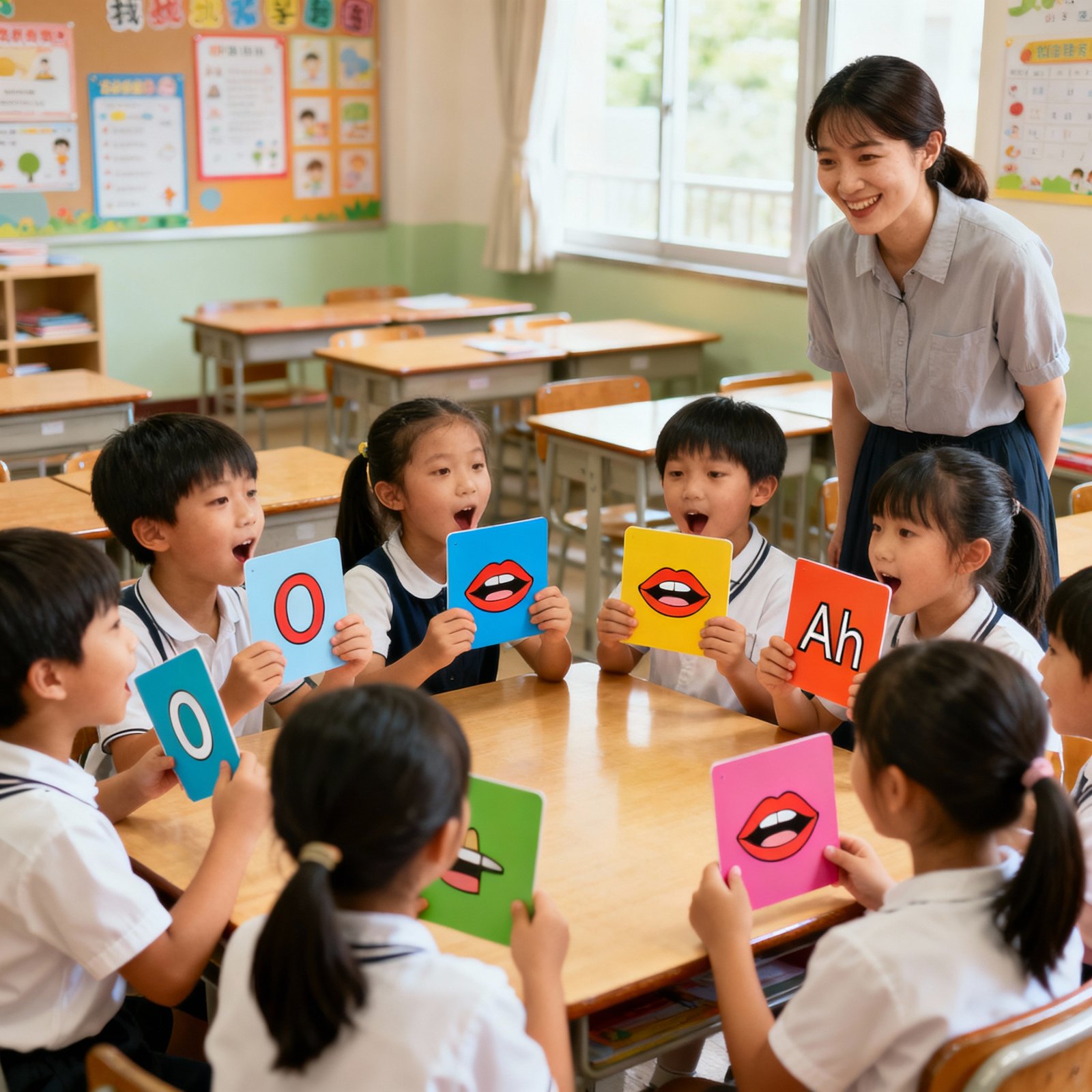
Speech is about how we produce spoken sounds and words.
A child may have difficulty with:
- Producing particular sounds
- Pronouncing words clearly
- Speaking fluently
- Using their voice
- Coordinating the movements needed for speech
For example, a child may know exactly what they want to say but have difficulty producing the sounds clearly enough for others to understand.
What Is Language?
Language is about meaning.
It includes how we understand and express information.
Language can involve:
Receptive Language
What a child understands.
For example:
- Understanding instructions
- Understanding questions
- Understanding vocabulary
- Understanding concepts
- Understanding stories
Expressive Language
How a child communicates what they know.
For example:
- Naming objects
- Requesting
- Answering questions
- Combining words
- Describing events
- Telling stories
- Expressing feelings
ASHA describes speech as how we say sounds and words, while language involves the words we use to share ideas and communicate what we want.
What Is Communication?
Communication is even broader.
A person can communicate through:
- Speech
- Gestures
- Facial expressions
- Body movements
- Eye gaze
- Signs
- Pictures
- Writing
- Communication devices
- AAC
This means that a child who does not speak can still be a communicator.
The goal of communication support should therefore not be limited to spoken words.
The goal is effective, meaningful communication.
Examples
Imagine a child who says:
“Juice.”
They are using speech and expressive language to communicate a request.
Now imagine another child who points to a picture of juice.
That is communication too.
Another child may use a speech-generating device to say:
“I want juice.”
Again, communication is taking place.
The form is different, but the communicative purpose is similar.
Can a Child Have Good Speech but Difficulty With Language?
Yes.
A child may pronounce words clearly but have difficulty:
- Understanding instructions
- Answering questions
- Finding the right words
- Telling a story
- Following a conversation
- Understanding nonliteral language
- Using language socially
In these cases, the main difficulty may be language rather than speech production.
Can a Child Have Good Language but Difficulty With Speech?
Yes.
A child may understand language and know exactly what they want to communicate but have difficulty producing clear speech.
This can happen for different reasons and requires individualized assessment.
What About Social Communication?
Communication is also about how language is used with other people.
A child may know many words but have difficulty:
- Starting interactions
- Taking turns
- Staying on topic
- Answering appropriately
- Understanding another person's perspective
- Using language flexibly
- Repairing communication breakdowns
These skills are sometimes described as social communication or pragmatic language.
What If My Child Uses Very Few Words?
The first step is understanding what the child can already do.
Look at:
- Understanding
- Gestures
- Pointing
- Showing
- Imitation
- Sounds
- Words
- Requests
- Social interaction
- Play
- AAC or other communication methods
A limited spoken vocabulary does not tell the whole story.
Does AAC Count as Language?
Yes.
AAC can support people who have difficulty communicating through speech.
AAC may include:
- Gestures
- Signs
- Pictures
- Communication boards
- Speech-generating devices
- Other communication systems
ASHA recommends considering AAC when spoken communication is not sufficient and emphasizes that AAC can support communication and does not prevent speech development.
When Should a Child See a Speech and Language Professional?
Consider seeking an assessment if you notice persistent difficulty with:
- Understanding language
- Expressing ideas
- Using words
- Producing speech sounds
- Being understood
- Social communication
- Communicating needs
- Participating in conversations
ASHA recommends early identification when there are concerns about speech, language or hearing development.
How Hope Kids Can Help
Hope Kids provides speech and language support for children with a range of developmental and communication needs.
Intervention may focus on speech, receptive and expressive language, social communication, functional communication, AAC and participation in everyday activities.
The focus is on helping children communicate in ways that are meaningful and useful to them.
Frequently Asked Questions
Is speech therapy only for children who cannot talk?
No. Speech and language therapy can support children who speak but have difficulties with pronunciation, language, fluency, social communication or other communication skills.
Is language more important than speech?
They serve different functions. A child needs effective communication, and spoken speech is only one possible communication method.
Can a child understand language but not speak?
Yes. Receptive and expressive communication skills can develop differently.
Does pointing count as communication?
Yes. Pointing can communicate a request, choice, shared interest or other message.
Can AAC be used alongside speech?
Yes. AAC can supplement spoken communication rather than replace it.
Does AAC prevent children from talking?
No. Current professional guidance indicates that AAC does not hinder speech development and may support it.