
Articles
Hope Kids provides affordable, inclusive, and professional education for children with autism and special needs in Phnom Penh and across Cambodia.
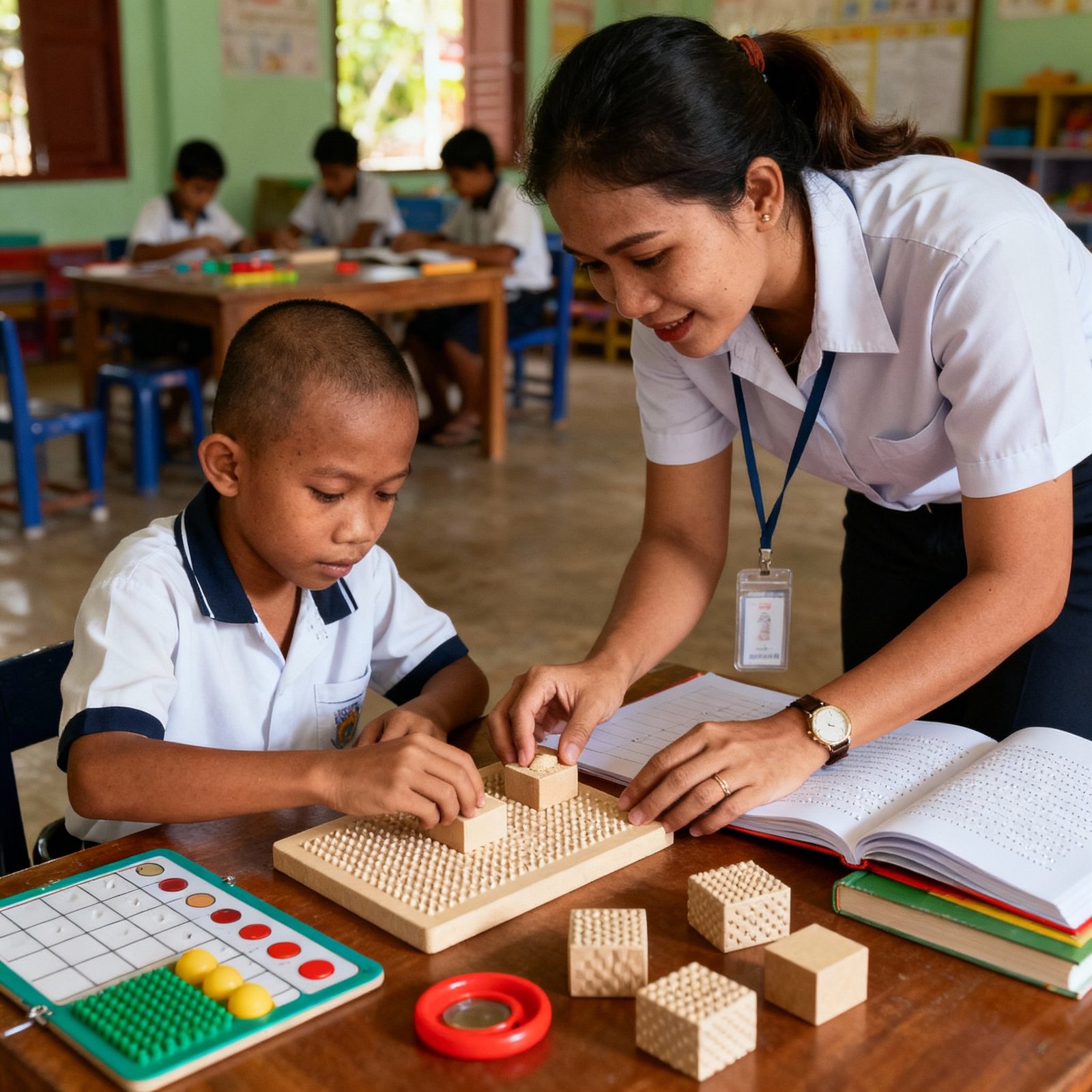
Special Education
Understanding the importance of special education, it plays a vital role in helping children with diverse learning needs reach their fullest potential. Every child learns differently, and some may require additional support, specialised teaching methods, or therapeutic interventions. Special education ensures children receive the tools and opportunities they need to grow at their own pace.
What makes special education different?
Special education supports children with developmental delays, learning disabilities, communication difficulties, sensory needs, physical challenges, or behavioural differences. Each child receives a personalised plan, developed by educators, therapists, psychologists, and other specialists working together.
Why early intervention matters
Early intervention is crucial for a child's development. When challenges are identified early, children receive support during the most important years of brain development, improving communication, social skills, emotional growth, and independence. Families also gain tools to help their child thrive at home.
A Holistic Approach to Learning
Modern special education focuses on the whole child, including:
- Social and communication skills
- Emotional regulation
- Sensory processing and integration
- Motor development
- Independence and life skills
- Confidence and self-esteem
The Role of Inclusive Education
Inclusive education allows children with and without disabilities to learn together. This improves acceptance, understanding, and equal opportunities. Many schools now focus on creating supportive, inclusive environments.
Supporting Families
Families are the foundation of every child's growth. Special education programs offer parent training, counselling, and continuous collaboration to help families become confident advocates for their children.
Looking Ahead
With advances in research and technology, special education is evolving rapidly. Schools are now integrating innovative tools, sensory-friendly spaces, and evidence-based teaching methods. The goal remains the same: to ensure every child can learn, belong, and succeed.
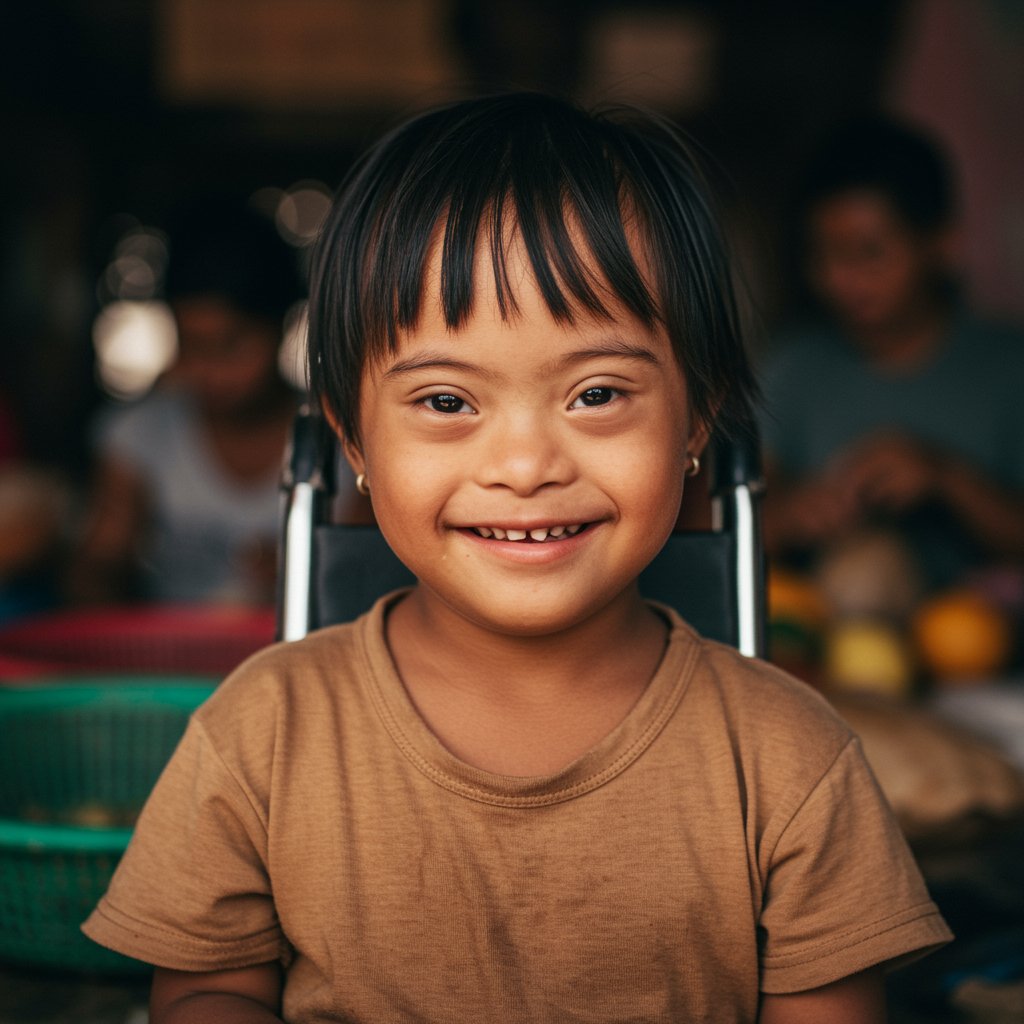
Down’s Syndrome
Understanding Down’s Syndrome: Embracing Strengths, Abilities and Possibilities.
Down’s Syndrome, also known as Trisomy 21, is one of the most common chromosomal conditions. Children with Down’s Syndrome have an extra copy of chromosome 21, which influences development in unique ways. This article helps parents, caregivers, and educators understand the journey and the power of early support.
What Causes Down’s Syndrome?
Down’s Syndrome occurs due to a genetic difference that happens at conception. It is not caused by anything the parents did or did not do. The extra chromosome leads to developmental differences, including:
- A slower pace of learning
- Unique facial features
- Low muscle tone
- Differences in speech and communication
- Higher likelihood of certain medical conditions
Every child is unique. With the right support, they become expressive, active, and confident learners.
Strengths and Abilities
While challenges exist, children with Down’s Syndrome also have remarkable strengths:
- A strong desire to communicate
- Warm and social personalities
- Good visual learning skills
- Strong imitation and repetition abilities
- Creativity and expressiveness
With patient teaching and structure, they learn academic, communication, social, and daily living skills effectively.
Importance of Early Intervention
Early intervention makes a powerful impact. It helps boost:
- Speech and language
- Motor development
- Sensory processing
- Cognitive and play skills
- Social interaction
- Independence
Therapies like speech, physiotherapy, and occupational therapy build a strong foundation for lifelong learning.
Role of Special Education
Special education programs are personalised to meet each child's needs. These programs focus on:
- Language and communication
- Pre-academic and academic skills
- Fine and gross motor skills
- Behaviour and social skills
- Self-help and life skills
The goal is to create a joyful, structured environment where children progress confidently and steadily.
Creating an Inclusive Environment
Children with Down’s Syndrome thrive in environments that are:
- Understanding
- Inclusive
- Patient
- Encouraging
Families, teachers, and communities play a powerful role in shaping each child’s journey.
Supporting Families
Raising a child with Down’s Syndrome is a journey filled with joy and learning. Support systems help families thrive:
- Parent training
- Counselling
- Community support groups
- Early-intervention services
- Special education programs
A Future Filled With Hope
Today, individuals with Down’s Syndrome experience healthier, more fulfilling lives than ever before. As awareness and inclusion grow, children with Down’s Syndrome continue to achieve meaningful milestones.
Every child has potential. With love, acceptance, and the right support, they grow into adults who learn, communicate, contribute, and inspire.
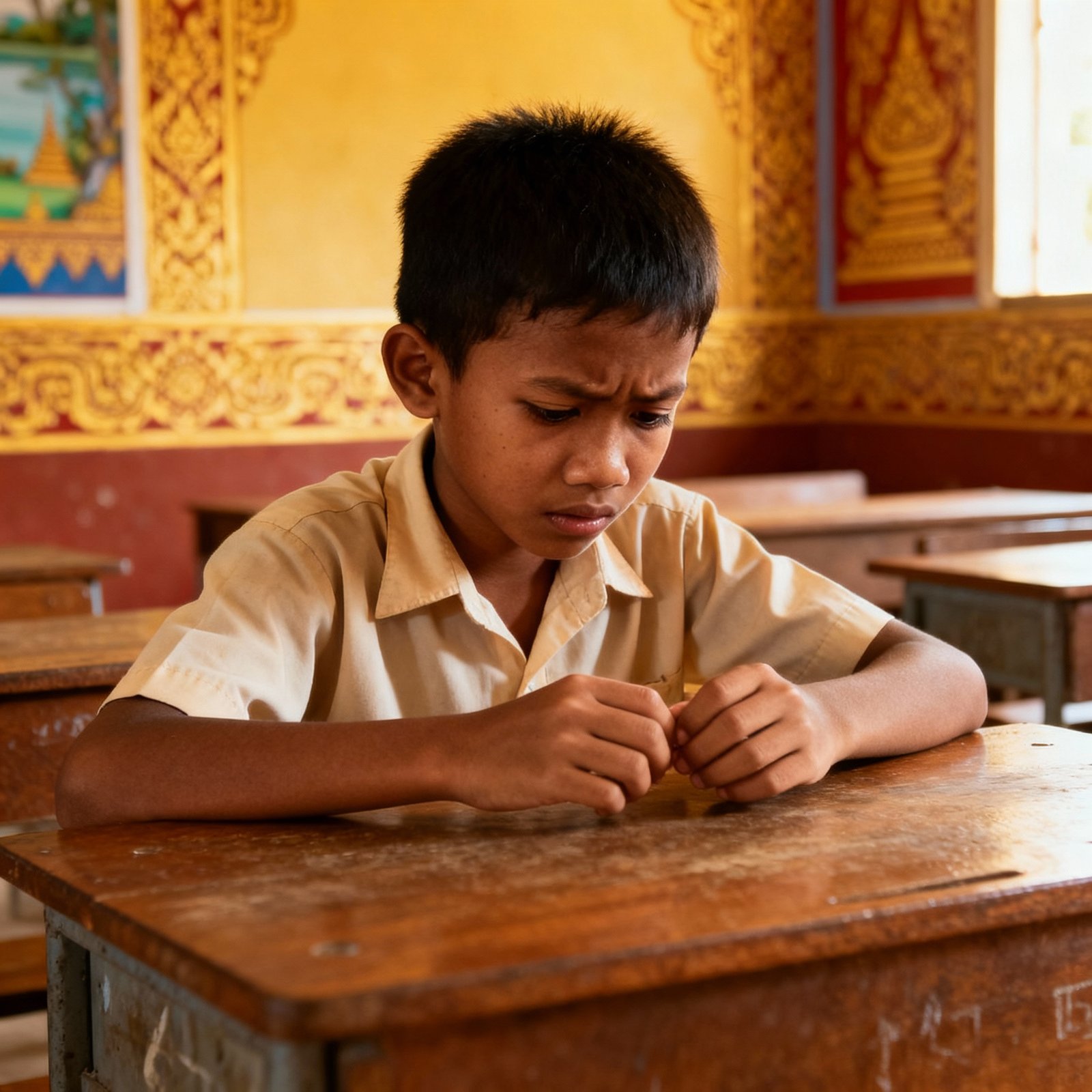
ADHD
Attention Deficit Hyperactivity Disorder, commonly known as ADHD, is a neurodevelopmental condition that affects children and adults around the world. Children with ADHD often experience challenges with attention, impulsivity, and activity levels that are higher or more intense than those of their peers. It is important to remember that ADHD is not caused by poor parenting, laziness, or a child being “naughty.” It is a difference in how the brain develops and functions, and with the right support, children with ADHD can learn, thrive, and shine in their own unique ways.
ADHD usually appears in early childhood, and symptoms may be noticed at home, in school, or during daily routines. Many children with ADHD find it difficult to focus on tasks for long periods, follow multi-step instructions, or stay seated when required. Some children may act without thinking, struggle with waiting for their turn, or become easily frustrated. Others may be mostly inattentive, appearing forgetful or daydreamy, rather than overly active. Each child’s profile is different, and ADHD can look very different from one child to another.
One of the strengths often seen in children with ADHD is creativity. Many are imaginative thinkers, problem-solvers, and energetic learners who thrive in hands-on activities. They may excel in movement-based tasks, practical learning, art, music, or activities that allow them to explore freely. Their energy, when channelled positively, becomes a wonderful source of enthusiasm and innovation.
Early identification and intervention play a major role in supporting children with ADHD. Special education, occupational therapy, behaviour therapy, and structured routines help children learn skills such as organisation, emotional regulation, time management, and social interaction. Teachers and therapists work closely with families to create consistent strategies at home and school. This teamwork helps children manage daily challenges more confidently.
A supportive learning environment is essential for children with ADHD. Classrooms that include visual schedules, short instructions, regular movement breaks, and predictable routines help children stay focused and calm. Encouragement, positive reinforcement, and clear communication also make a big difference. Instead of focusing on limitations, it is important to recognise strengths, celebrate progress, and help children build self-esteem.
Families play a central role in a child’s journey. Parents often benefit from learning behaviour strategies, sensory techniques, and communication approaches that support their child’s needs. Patience, understanding, and consistency at home create a safe space for the child to express themselves and develop independence.
With increasing awareness and early support, children with ADHD can grow up to lead fulfilling, successful, and meaningful lives. They may become artists, athletes, entrepreneurs, leaders, or innovators. What matters most is that they receive acceptance, guidance, and opportunities to explore their abilities.
ADHD does not define a child. It is simply one part of who they are. With the right care, an encouraging environment, and a community that believes in them, children with ADHD can achieve remarkable things and continue to surprise the world with their talent and resilience.

Speech Therapy
Speech therapy for children focuses on helping young learners build strong communication skills that support their growth, learning, and everyday interactions. Every child develops at their own pace, but some may need extra support to express themselves clearly, understand language, or use words confidently. Speech therapy provides that support in a structured, gentle, and child-friendly way.
Children may face challenges such as unclear speech, limited vocabulary, difficulty forming sentences, stuttering, trouble following instructions, or social communication difficulties. A speech therapist works to identify these concerns early and designs activities that match the child’s developmental level, interests, and learning style.
Therapy sessions for children are always interactive and engaging. They often include play-based activities, storytelling, picture cards, games, songs, and movement. These activities make learning enjoyable while helping the child practice important skills such as making sounds correctly, improving understanding, building vocabulary, forming sentences, or improving fluency.
Parents and caregivers play an important role in the therapy process. When families participate, children show faster and more consistent progress. Speech therapists guide parents with strategies they can use at home, such as encouraging daily conversation, reading together, modeling correct speech, and creating opportunities for the child to communicate.
arly intervention can make a significant difference. When speech or language challenges are addressed early, children build stronger foundations for academic success, social interaction, and emotional confidence. Even small improvements—like saying a new word, using gestures, or forming clearer sentences—are meaningful steps in a child’s communication journey.
Speech therapy for children is not just about improving speech; it is about helping them express their thoughts, build relationships, and participate fully in their world. With the right support, encouragement, and consistent practice, every child can make meaningful progress and find their voice.
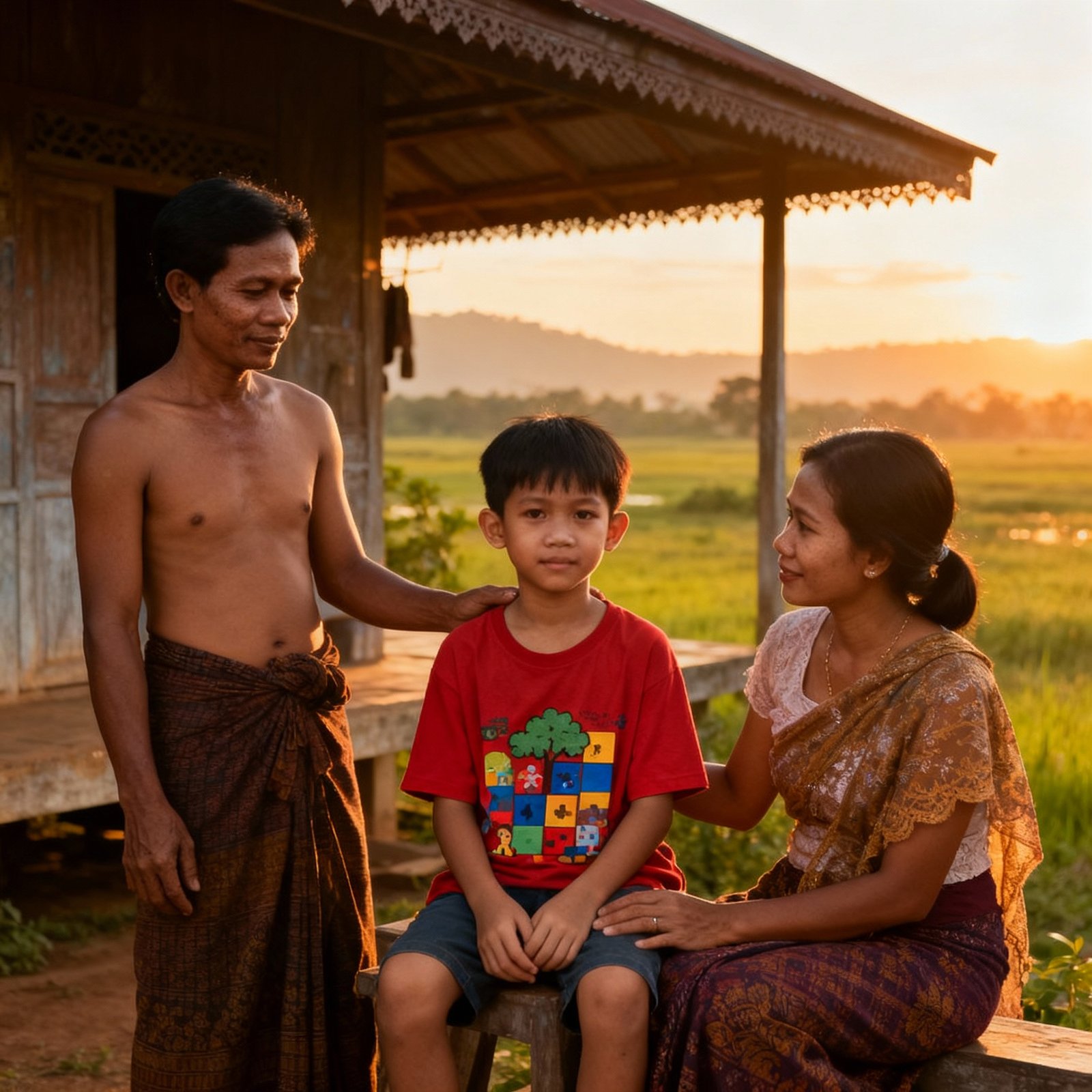
What is autism?
1. What is autism?
Autism, or Autism Spectrum Disorder (ASD), is a developmental condition that affects how a person communicates, interacts, and experiences the world around them. Each child with autism is unique, with different strengths and challenges.
2. How common is autism in Cambodia?
There are no exact national statistics yet, but awareness about autism is steadily growing in Cambodia. More families are recognizing the signs early and seeking professional help. Schools like Hope Kids are working to increase awareness and provide accessible support.
3. What are the early signs of autism in children?
Early signs may include limited eye contact, delayed speech, repetitive behaviors, difficulty interacting with others, unusual responses to sounds or touch, and strong attachment to routines. Early identification and support can make a big difference.
4. What causes autism?
There is no single known cause of autism. Research suggests that it may result from a combination of genetic and environmental factors. It is not caused by parenting style, social conditions, or vaccines.
5. Can autism be cured?
Autism is not a disease and cannot be “cured,” but with early intervention, therapy, and consistent support, children can make remarkable progress in communication, learning, and daily living skills.
6. What kind of support or therapy is available for children with autism in Cambodia?
Support services in Cambodia are improving. Hope Kids and similar institutions provide speech therapy, occupational therapy, behavior intervention, and special education programs that help children develop essential skills.
7. What can parents do if they suspect their child has autism?
Parents should seek an assessment from a developmental specialist, psychologist, or speech-language therapist. Early screening and intervention are crucial to helping the child achieve their best potential.
8. How does Hope Kids support children with autism?
Hope Kids provides individualized programs that focus on communication, social interaction, behavior management, and life skills. Our team of trained professionals works closely with families to ensure consistent progress both at school and at home.
9. How can communities in Cambodia help children with autism?
Communities can help by showing acceptance, learning more about autism, and supporting inclusion in schools, workplaces, and public spaces. Awareness and understanding are the first steps toward creating an inclusive society.
At Hope Kids Special Education School, we offer holistic services for children with autism, Down syndrome, speech and language delay,intellectual disabilities, learning difficulties and cerebral palsy
Special Education Services
Our special education programs are designed to support children with diverse learning and developmental needs. We provide personalized interventions to help every child grow academically, socially, and emotionally.
Speech Therapy
ABAT offers professional speech therapy to improve communication skills, language development, and social interaction for children with special needs.
ADHD Support
Our programs for ADHD focus on improving attention, self-regulation, and learning strategies to help children succeed in school and daily life.
Down Syndrome Support
Children with Down syndrome receive individualized education and therapy to enhance cognitive, physical, and social development in a nurturing environment.