


Articles
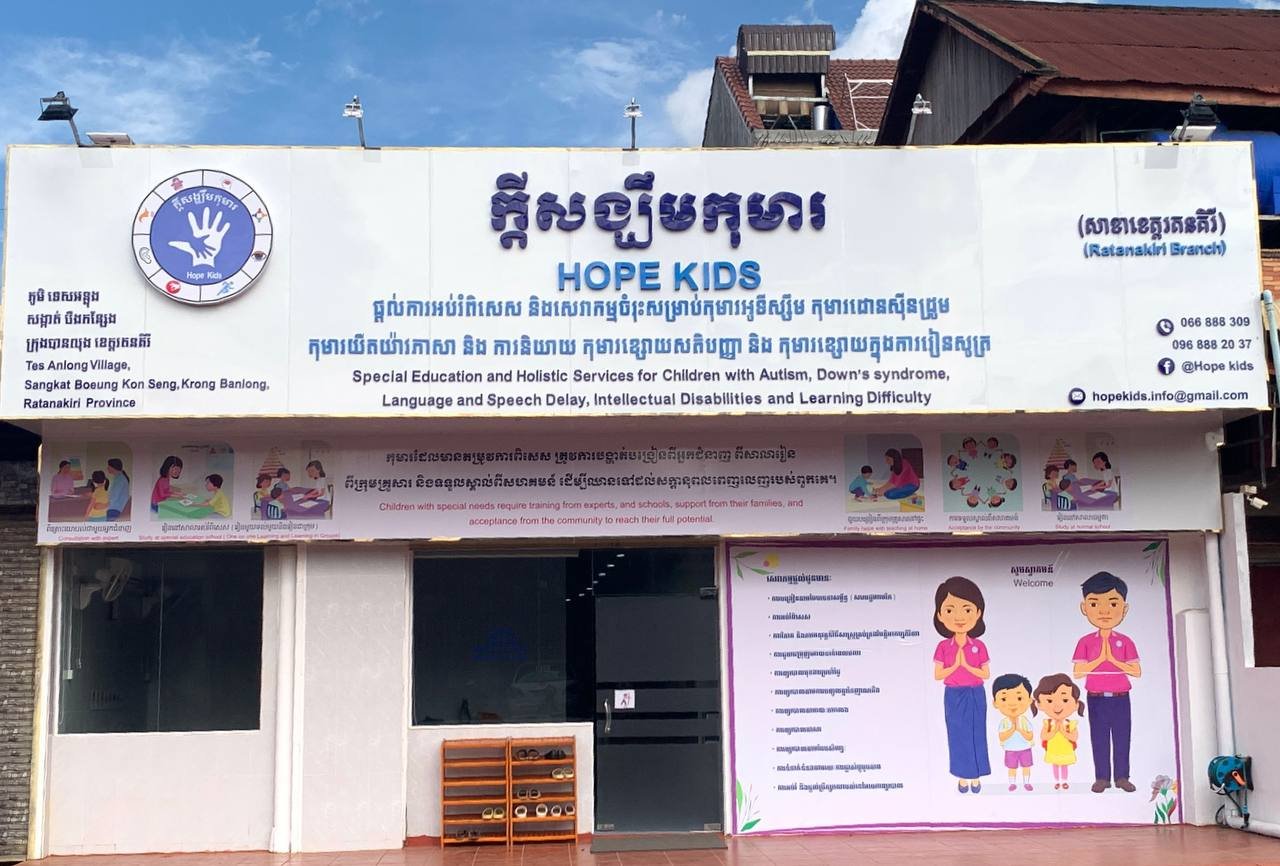
Hope Kids provides affordable, inclusive, and professional education for children with autism and special needs in Phnom Penh and across Cambodia.
ADHD
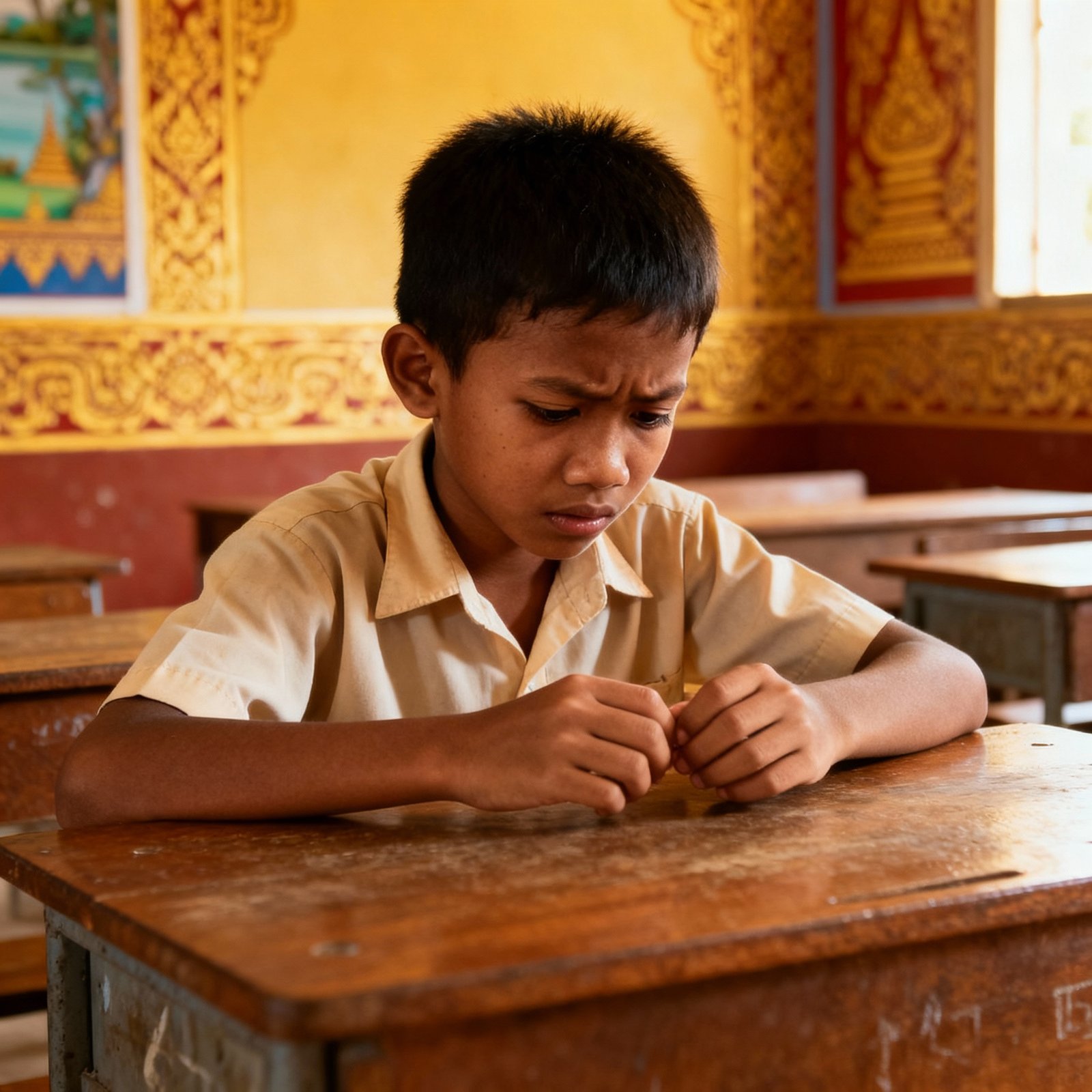
Attention Deficit Hyperactivity Disorder, commonly known as ADHD, is a neurodevelopmental condition that affects children and adults around the world. Children with ADHD often experience challenges with attention, impulsivity, and activity levels that are higher or more intense than those of their peers. It is important to remember that ADHD is not caused by poor parenting, laziness, or a child being “naughty.” It is a difference in how the brain develops and functions, and with the right support, children with ADHD can learn, thrive, and shine in their own unique ways.
ADHD usually appears in early childhood, and symptoms may be noticed at home, in school, or during daily routines. Many children with ADHD find it difficult to focus on tasks for long periods, follow multi-step instructions, or stay seated when required. Some children may act without thinking, struggle with waiting for their turn, or become easily frustrated. Others may be mostly inattentive, appearing forgetful or daydreamy, rather than overly active. Each child’s profile is different, and ADHD can look very different from one child to another.
One of the strengths often seen in children with ADHD is creativity. Many are imaginative thinkers, problem-solvers, and energetic learners who thrive in hands-on activities. They may excel in movement-based tasks, practical learning, art, music, or activities that allow them to explore freely. Their energy, when channelled positively, becomes a wonderful source of enthusiasm and innovation.
Early identification and intervention play a major role in supporting children with ADHD. Special education, occupational therapy, behaviour therapy, and structured routines help children learn skills such as organisation, emotional regulation, time management, and social interaction. Teachers and therapists work closely with families to create consistent strategies at home and school. This teamwork helps children manage daily challenges more confidently.
A supportive learning environment is essential for children with ADHD. Classrooms that include visual schedules, short instructions, regular movement breaks, and predictable routines help children stay focused and calm. Encouragement, positive reinforcement, and clear communication also make a big difference. Instead of focusing on limitations, it is important to recognise strengths, celebrate progress, and help children build self-esteem.
Families play a central role in a child’s journey. Parents often benefit from learning behaviour strategies, sensory techniques, and communication approaches that support their child’s needs. Patience, understanding, and consistency at home create a safe space for the child to express themselves and develop independence.
With increasing awareness and early support, children with ADHD can grow up to lead fulfilling, successful, and meaningful lives. They may become artists, athletes, entrepreneurs, leaders, or innovators. What matters most is that they receive acceptance, guidance, and opportunities to explore their abilities.
ADHD does not define a child. It is simply one part of who they are. With the right care, an encouraging environment, and a community that believes in them, children with ADHD can achieve remarkable things and continue to surprise the world with their talent and resilience.
ADHD Programs & Support for Children
Our ADHD Counseling Programs
Behavioral Therapy for ADHD
At HopeKids Edu, we specialize in helping children with ADHD (Attention Deficit Hyperactivity Disorder) succeed in their learning and daily life. Our dedicated programs focus on behavioral therapy, counseling, and educational strategies tailored specifically for children with ADHD.